(+351) 932 224 792
 info@luznurcapital.com
Buying a Hotel in Portugal: A Buyer’s Guide
Most hotels in Portugal are sold privately, not advertised. Owners — from families who have run a hotel for decades to groups holding several — rarely want staff, guests, or competitors to know a sale is possible, so the better hotels change hands through direct approaches to qualified buyers. A buyer who wants a Portuguese hotel needs a clear brief, a way to reach owners, and a view on how the hotel will be run once bought.
This applies to private investors, family offices, hotel groups, funds, and first-time hotel buyers — from boutique city hotels and rural estates to large branded hotels, resorts, and portfolios.
The main qualification: a hotel is a business as well as a building — it’s valued on what it earns, bought with its staff and licenses, and only as good as the way it will be operated.
The hotels that change hands
| Type | Typical buyer | What to watch |
|---|---|---|
| Large full-service and branded hotels — 100+ rooms, often four- and five-star | Hotel groups, funds, family offices, institutional investors | Brand or management contract terms, refurbishment obligations, staff numbers |
| Resort hotels — Algarve, Comporta, Madeira, Tróia | Hotel groups, funds, family offices | Season length, capital needs, golf and leisure assets |
| Hotel portfolios | Funds, hotel groups, institutional investors | Asset quality across the portfolio, operating platform, financing |
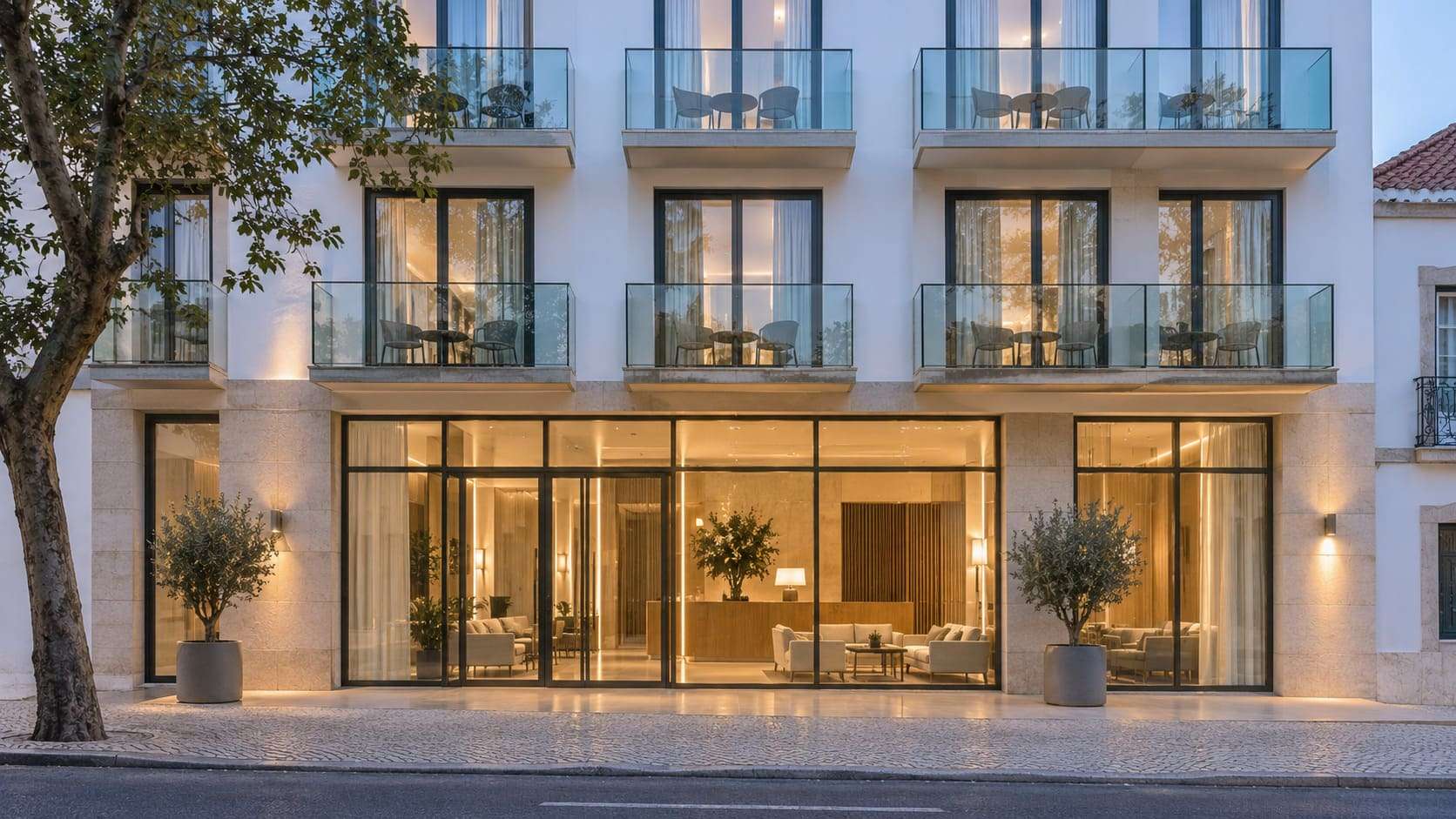
| City boutique hotels — Lisbon, Porto | Private investors, family offices, operators | Location, rate, and competition from short-term lets |
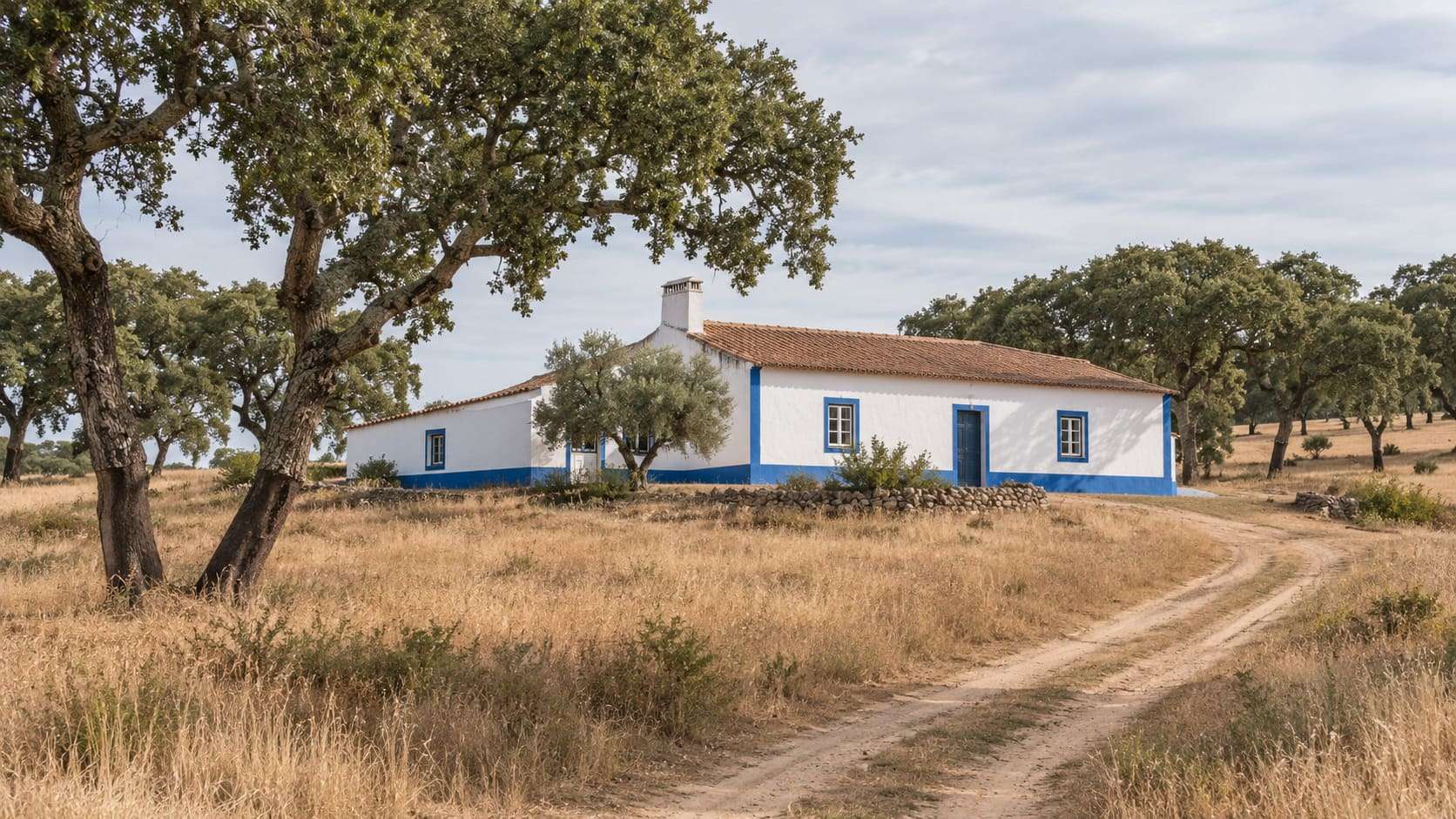
| Rural tourism and country hotels — Alentejo, Douro, Minho | Lifestyle buyers, owner-operators | Seasonality, staffing, access |
| Aparthotels and tourist apartments | Investors seeking managed income | Operator, unit ownership, contracts |
| Buildings to convert | Developers, family offices | Licensing, heritage, cost, time |
Foreign capital dominates Portuguese hotel buying — international buyers accounted for nearly all hotel acquisitions in the first half of 2026.
How the hotel will be run
The first decision, before any search, is who will operate the hotel. It changes what you buy, what you pay, and the risk you carry.
| Model | How it works | Who carries the operating risk |
|---|---|---|
| Owner-operated | You run it yourself, with your own team | You, entirely |
| Lease | An operator rents the building and pays a fixed or variable rent | Mostly the operator |
| Management contract | An operator runs it for a fee; profits and losses stay with you | You, with professional management |
| Franchise | You run it under a brand’s name and standards | You, with brand support |
Smaller hotels are often bought by owner-operators. Larger hotels and portfolios usually change hands with a lease, management contract, or brand agreement already in place — and the terms of that agreement can matter as much as the building.
How a hotel is valued
On earnings, not floor area. Buyers look at revenue, profit, and the yield or multiple those support. Prime hotels in Lisbon traded at yields around 5.5% in mid-2026, and Porto around 5.75%; secondary and rural hotels trade higher.
Through operating data. Occupancy, average daily rate, and revenue per available room over several years, not just the best one. Nationally, hotel occupancy contracted year on year for nine consecutive months through April 2026, with growth driven by rate rather than volume — a reminder to test the numbers rather than assume them.
With capital needs priced in. Rooms, systems, and kitchens wear out, and a hotel due for refurbishment is worth less to a buyer who must fund it. For branded hotels, the brand’s own refurbishment requirements are part of that cost.
Against the building’s alternative use. A city hotel in a building that could become apartments, or a rural hotel on land with no other use, are valued differently.
Licensing and staff
Tourism licensing. A hotel in Portugal operates under a tourism license and appears on the national register of tourist establishments, with a classification. The license and classification should match the hotel actually being run.
Use license. The building’s use license must cover tourism use.
Staff transfer with the business. Under Portuguese labor law, employees generally transfer to the new owner when a business changes hands, on their existing terms. Their contracts, liabilities, and any disputes are part of the purchase.
Asset or share deal. Buying the company that owns the hotel and buying the hotel itself carry different transfer tax, VAT, and liability consequences — a decision for your tax and legal counsel before terms are agreed.
Converting a building into a hotel
Conversions — a townhouse into a boutique hotel, a manor house into a rural retreat — offer the chance to create exactly the hotel you want. They also carry the most risk: tourism and municipal licensing, heritage approvals where they apply, construction cost, and time. A feasibility study before purchase, covering what can be licensed and what it will really cost, is essential.
The hotel brief
Send this to an adviser before the search begins. The tighter it is, the better the shortlist.
1. Type of hotel — city, rural, coastal, resort, aparthotel, or a building to convert
2. Regions, in order of preference
3. Size — number of rooms, or whether a portfolio would be considered
4. Budget — and whether it includes refurbishment
5. Operating model — run it yourself, lease it, or appoint an operator
6. Return target — yield, profit, or lifestyle first
7. Condition accepted — trading, needing refurbishment, or to convert
8. Structure — buying the property, the company, or open
9. Timing — and how quickly you can decide
10. Confidentiality — how far your identity must be protected
The diligence a hotel needs
Trading accounts for at least three years, and current-year performance.
Occupancy, rate, and revenue data, by month.
Booking channels and contracts — direct bookings, online platforms, tour operators.
Brand, lease, or management agreements, where they exist, and their remaining term.
Staff list, contracts, and any disputes.
Licenses and classification, and any inspections.
Building condition — structure, systems, kitchens, fire safety, and accessibility.
Supplier and service contracts that transfer with the business.
Reviews and reputation — the hotel’s standing with guests.
Luznur Capital searches for hotels on behalf of buyers, including the many that are never advertised. Off-market
How Luznur Capital works with hotel buyers
Luznur Capital, a trading name of Lusomena Investments, Unipessoal Lda., is a real estate brokerage and advisory firm licensed by IMPIC under AMI 22354 and a registered member of APEMIP.
Hotels found privately. Owners, families, groups, and operators approached directly across Lisbon, Porto, the Algarve, the Alentejo, Comporta, the Douro, and Madeira — reaching hotels whose owners would sell but will not advertise.
From boutique to portfolio. Single hotels of every size, and portfolios where an owner is selling several together.
The buyer’s name protected. Approaches made without disclosing who is buying, with an NDA where the situation calls for one.
Numbers tested, not assumed. Trading accounts and operating data reviewed alongside the building, with a candid view where the asking price runs ahead of the evidence.
Conversions and repositioning. An architecture partner assesses what can be licensed and built before purchase, and can take a conversion or refurbishment from design and licensing through site oversight to opening.
Verification both ways. The buyer is identified as KYC and AML rules require, and the hotel, its owners, and its licenses are verified with the same care.
Co-investment where needed. Where a buyer wants partners, the firm introduces licensed, regulated partners rather than raising capital itself.
Working language. English, Portuguese, or Spanish.
João Carvalho is the founder of Luznur Capital (AMI 22354), a Lisbon-based real estate brokerage and investment advisory firm serving international buyers and investors. He holds an MSc from Hult International Business School. Connect on LinkedIn
FURTHER READING
Commercial and hospitality investment in Portugal — the hotel market, who’s buying, and where.
Buying a serviced unit in Portugal — resort and aparthotel ownership, unit by unit.
Commercial property yields in Portugal — prime and secondary yields across asset types.
Sourcing real estate deals in Portugal — why most deals here are found, not advertised.
FAQ
How do I find a hotel for sale in Portugal?
Mostly through direct approaches. Many Portuguese hotels are family- or group-owned and sold privately, so buyers usually work through an adviser who reaches owners directly against a defined brief.
How are hotels valued in Portugal?
Mainly on earnings — revenue, profit, and the yield or multiple those support — tested against several years of occupancy, rate, and revenue data, with capital needs deducted. Prime hotels in Lisbon traded at yields around 5.5% in mid-2026.
Can I buy a large branded hotel or a portfolio?
Yes. Larger hotels and portfolios usually change hands with a lease, management contract, or brand agreement in place, and those terms — length, fees, and refurbishment obligations — are central to the price.
Do hotel staff transfer when a hotel is sold?
Generally yes. Under Portuguese labor law, employees transfer with the business on their existing terms, so their contracts and any liabilities form part of the purchase.
Should I run the hotel myself or appoint an operator?
It depends on your experience and goals. Owner-operation keeps control and profit but carries all the risk; a lease or management contract brings professional operation in exchange for rent or fees.
What licenses does a hotel need in Portugal?
A tourism license and registration as a tourist establishment with a classification, and a building use license covering tourism use. Both should match the hotel actually being run.
Can I convert a building into a hotel?
Often, but it requires tourism and municipal licensing, sometimes heritage approval, and significant time and cost. A feasibility study before purchase is essential.
Is this article investment advice?
No. It presents general information as of November 2026. Every hotel acquisition requires legal, tax, and technical advice specific to the transaction.
DISCLAIMER
Important information
This article is provided for general information only and reflects market practice as of November 2026. It does not constitute investment, legal, tax, or employment advice. Yields and market data are indicative and derive from published sources. Licensing, employment, transfer tax, and VAT positions depend on the specific transaction and must be confirmed with qualified advisers. No hotel, price, or return is implied. The architecture partner contracts directly with the client.
Luznur Capital is a trading name of Lusomena Investments, Unipessoal Lda., a real estate brokerage and advisory firm licensed by IMPIC under AMI 22354 and a registered member of APEMIP. It is not a law firm, tax practice, or hotel operator.
General information as of November 2026, not investment, legal, or tax advice. Every hotel acquisition needs transaction-specific advice. Luznur Capital (Lusomena Investments, Unipessoal Lda., AMI 22354).
Looking for a hotel in Portugal?
Send the brief — the type, the region, the number of rooms, and how you plan to run it. The search can begin without your name.
Luznur Capital, a trading name of Lusomena Investments, Unipessoal Lda. (AMI 22354), advises international buyers and investors across Lisbon, Cascais, Sintra, the Setúbal peninsula, Comporta and the Alentejo, the Algarve including Quinta do Lago and Tavira, the Silver Coast, Porto and Braga, the Douro and the Minho, and Madeira, including off-market opportunities, with coordinated legal, tax, and immigration partners — and on mandates of any size in any region of mainland Portugal and the islands.
Begin a private enquiry or contact jc@luznurcapital.com
Tag:
Category:
- Alentejo (1)
- Algarve (15)
- Almancil (5)
- Buyer Guides by Nationality (6)
- Buying in Portugal (27)
- Cascais (6)
- Comporta (6)
- Costs & Fees (2)
- Country Comparisons (3)
- D7 Visa (5)
- D8 Visa (4)
- Diplomacy (1)
- Eastern Algarve (3)
- Economy (9)
- Estoril (5)
- Foreign Bilateral Relations (2)
- GCC (2)
- GCC Investors Portugal (2)
- Golden Triangle Algarve (5)
- Golden Visa (2)
- Golden Visa Portugal (2)
- High-Profile Clients (1)
- HNWIs (16)
- International Buyers (24)
- Investing in Portugal (29)
- Investment (6)
- Investment & Advisory (20)
- Investment & Structuring (1)
- Lifestyle (1)
- Lisbon (11)
- Lisbon (5)
- Market Data (9)
- Market Guides (8)
- Porto (6)
- Portugal (16)
- Quinta da Marinha (6)
- Quinta do Lago (11)
- Real Estate Portugal (32)
- Relocating to Portugal (14)
- Relocation (1)
- Residency & Investment (2)
- Selling in Portugal (2)
- Sotavento Algarve (3)
- Tavira (7)
- Tourism (4)
- Vale do Lobo (5)
- Vila Real de Santo António (1)
- Vilamoura (5)
- Wealth Management (1)
- Wealth Management Portugal (4)