
 (+351) 932 224 792
  info@luznurcapital.com
 Portugal & the Arab World
Kingdom of Morocco
Diplomatic relations were formalized in 1980 — but of all the nations Portugal reached, none is bound to it more deeply than Morocco: the two shores of a single strait, where Portugal's age of discovery began.
 ×
×

The Connection
Where Portugal's empire began.
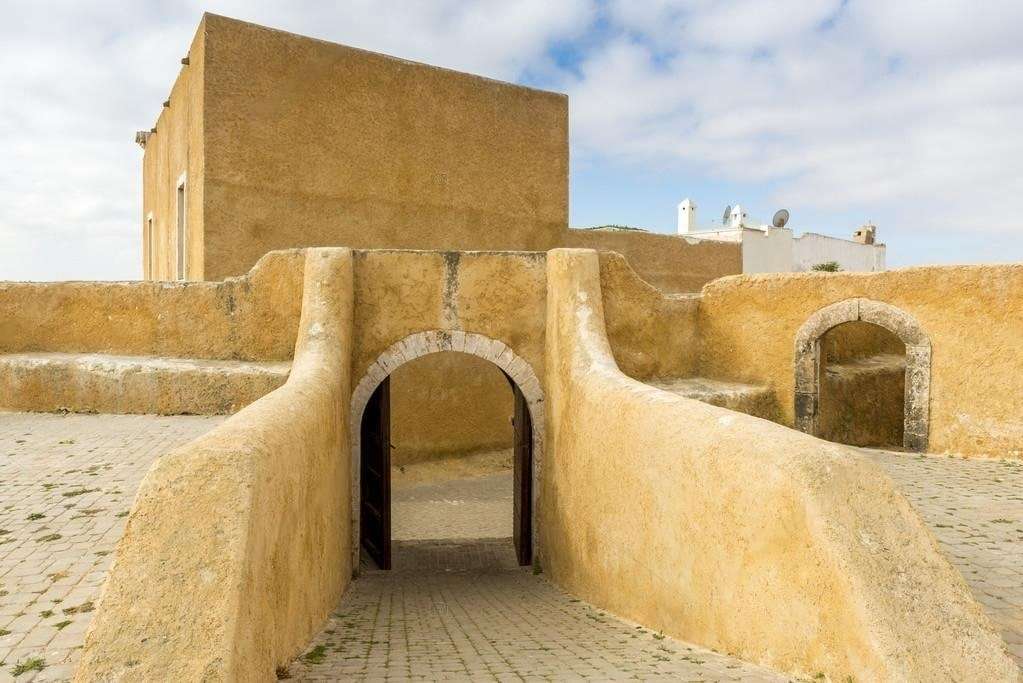
Portugal's overseas history did not begin in India or Brazil — it began here. In 1415, King João I took Ceuta on the Moroccan coast, and with it opened the age of discovery. For more than three centuries Portugal held a chain of strongholds along Morocco's Atlantic shore — Tangier, Asilah, Safi, Azemmour — leaving forts and ramparts, and at Mazagão, today's El Jadida, a walled sea-town whose Portuguese cistern and Manueline ramparts are now a UNESCO World Heritage Site.
Morocco is also where that empire met its limit. In 1578, at the Battle of Alcácer Quibir, King Sebastião of Portugal marched into the interior and vanished — a defeat that cost Portugal its king and, within two years, its independence. Morocco reclaimed the coastal cities one by one, the last, Mazagão, in 1769. What endured was not the conquest but the kinship: two shores of one strait, legible still in the tilework the Portuguese call azulejo and Moroccans zellige, and in a shared aesthetic a visitor to either country recognizes at once.
Morocco Today
A neighbor, and a partner for 2030.
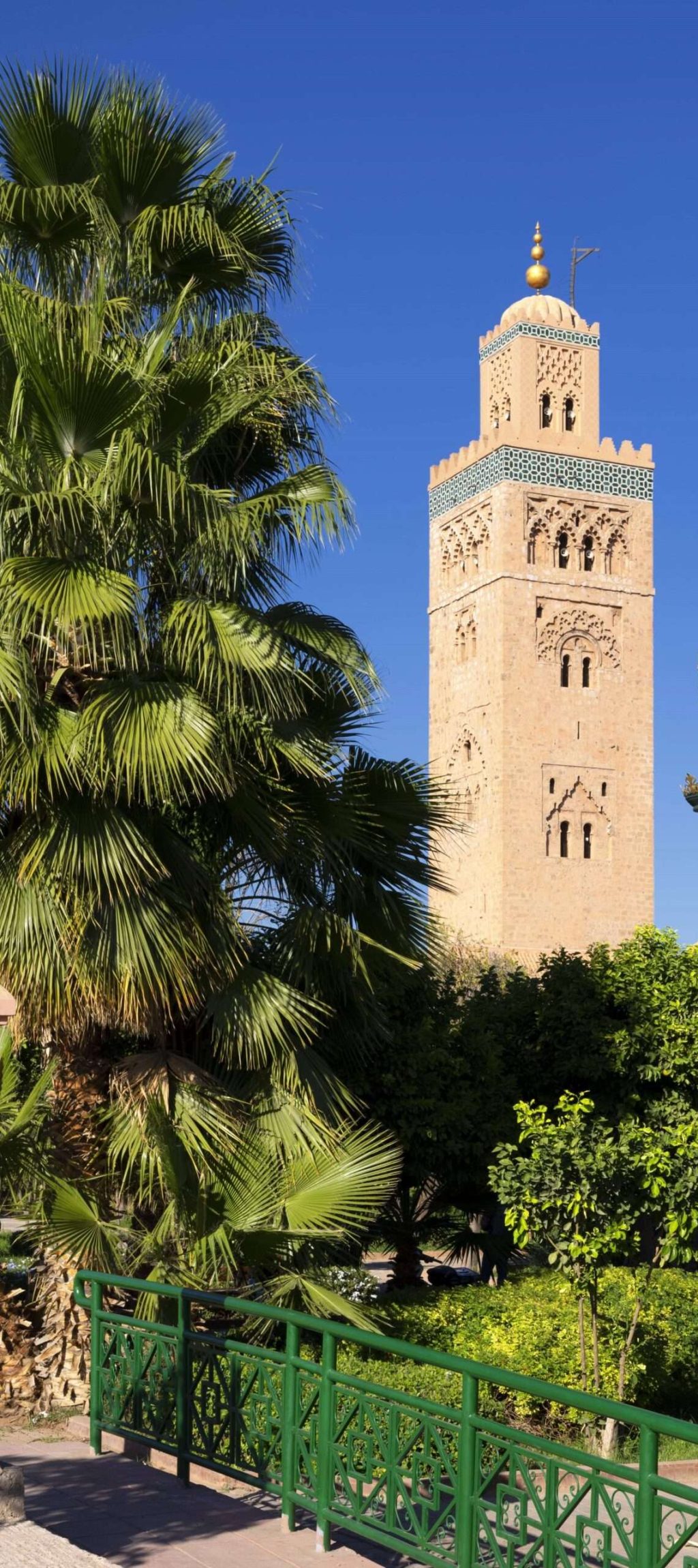
Rabat is the closest foreign capital to Lisbon, and Morocco is Portugal's nearest non-European neighbor — a fast-growing economy investing heavily in infrastructure, tourism, renewable energy, and industry, and reforming to attract foreign capital. In 2030, the two countries will share the world's largest stage: Portugal, Spain, and Morocco will co-host the FIFA World Cup, the first ever held across two continents.
For Portugal, Morocco is less a distant market than a mirror across the strait — and a growing source of investment, talent, and cross-border opportunity. Moroccan families and businesses looking north to Europe find in Portugal a familiar culture and a stable European base, a short flight from home. What they value here is a counterpart who understands both shores.
Where This Meets Our Work
The Portuguese end of a Moroccan mandate.
Moroccan interest in Portugal tends to arrive in one of three forms, and each is handled differently. A family or entrepreneur acquiring a second residence or a European base — in Lisbon, on the Cascais coast, or in the Algarve, a short flight from home — where proximity and familiarity matter. A family office or business taking a position in Portuguese real estate for risk-adjusted return and a foothold inside the European Union. And development capital, underwritten on the numbers, where sourcing and local execution decide the outcome.
Morocco's distinction, among all these ties, is proximity. Rabat sits closer to Lisbon than any other capital, and the Algarve is a short hop across the strait — which makes Portugal, for a Moroccan family or business, the most natural European base of all: near enough to keep close, familiar enough to trust.
In each, we are the party on the ground here who sources it, structures it, and holds it — with legal, tax, and immigration coordinated through dedicated partners. The corridor between the Gulf and Portugal is the one Luznur Capital was built around, held to the discretion the relationship deserves.
Reference
Diplomatic relations established · 18 July 1980.
Official & further reading
Continue with Luznur Capital
Transparency · Confidentiality · Execution
Luznur Capital is the commercial name of Lusomena Investments, Unipessoal Lda., a licensed real estate brokerage holding AMI 22354. This page is offered for cultural and informational purposes and reflects the historic and diplomatic ties between Portugal and the Kingdom of Morocco; it does not constitute legal, tax, immigration, or investment advice.
Lusomena Investments, Unipessoal Lda. · AMI 22354 · info@luznurcapital.com · +351 932 224 792