A family with real resources looking at Portugal is usually weighing several different decisions at once — and the trouble is that they get bundled into one. “Should we buy a place here,” “should we get residency,” “how does this fit our long-term planning,” and “will this pass cleanly to our children” are four separate questions with four separate answers. A lot of what’s written about Portugal blurs them together, often on out-of-date information. This guide separates the levers, explains what each one actually does in 2026, and shows how they fit together for a family thinking seriously about a move or a foothold here.
What does Portugal actually offer a wealthy family?
Four distinct things, and it helps to see them as separate before deciding which you need:
A lifestyle and a European base — safety, climate, healthcare, English-friendly services, and a stable EU jurisdiction within easy reach of the rest of Europe. A place to preserve wealth — real estate in a supply-constrained, non-speculative prime market. A route to residency — for those who want the right to live here, through investment or income-based visas. And a stable framework for succession — a predictable legal system in which to plan how assets pass to the next generation.
Most families end up using two or three of these, not all four. The mistake is assuming they’re a single package.
Can you still get residency by buying property?
No — and this is the single most common misunderstanding. Portugal closed the real estate route to the Golden Visa in October 2023 under the Mais Habitação reform (Law 56/2023). Buying a home, however valuable, no longer grants or contributes to residency. Any source suggesting otherwise is working from pre-2023 rules.
Real estate and residency are now entirely separate decisions. You can do either, both, or neither — but buying property is a lifestyle and wealth decision, and residency is its own, unrelated process. Keeping them separate in your head is the first step to planning clearly.
You can buy a property to use for vacation purposes, if you plan to stay long-term you will need to apply for a respective visa, or as a EU citizen, get the respective residency certificate.
What are the residency options in 2026?
Three routes cover most families, depending on whether the goal is a passive investment, a genuine relocation, or remote work.
| Route | What it requires | Best for |
|---|
| Golden Visa (fund) | €500,000 in a CMVM-regulated fund (no real estate ties); ~7 days/year presence | Families wanting residency without relocating |
| Golden Visa (cultural) | €250,000 donation to heritage/culture | Lowest entry; treated as a cost, not a return |
| D7 (passive income) | Proof of stable passive income; real physical residence | Retirees and those genuinely relocating |
| D8 (digital nomad) | Qualifying remote income | Working families moving here |
Two points that matter for planning. The Golden Visa is the only one of these that doesn’t require you to actually live in Portugal — roughly a week a year keeps it valid — which is why it suits families who want optionality and a “plan B” more than a move. The D7 and D8, by contrast, expect you to live here.
And on the long game: after five years of legal residence, Golden Visa holders can still apply for permanent residency — an independent, lasting right to live and work in Portugal and across the EU, no longer tied to maintaining the investment. Citizenship is a separate, longer horizon (see below). Immigration rules move quickly, so any specific application should be run past qualified immigration counsel; Luznur works alongside a dedicated immigration, tax, and corporate law firm for exactly this reason.
Why do families hold Portuguese real estate?
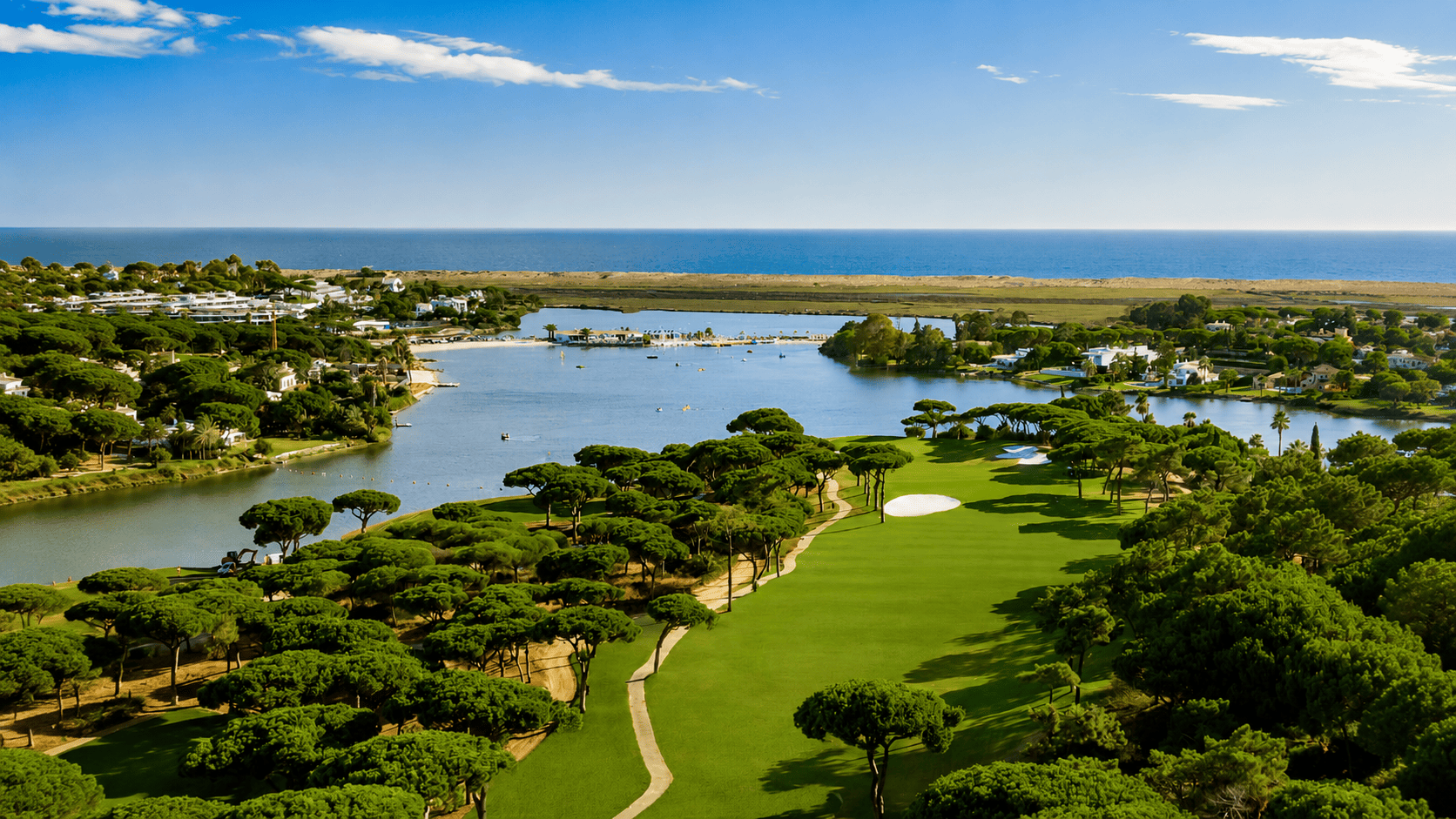
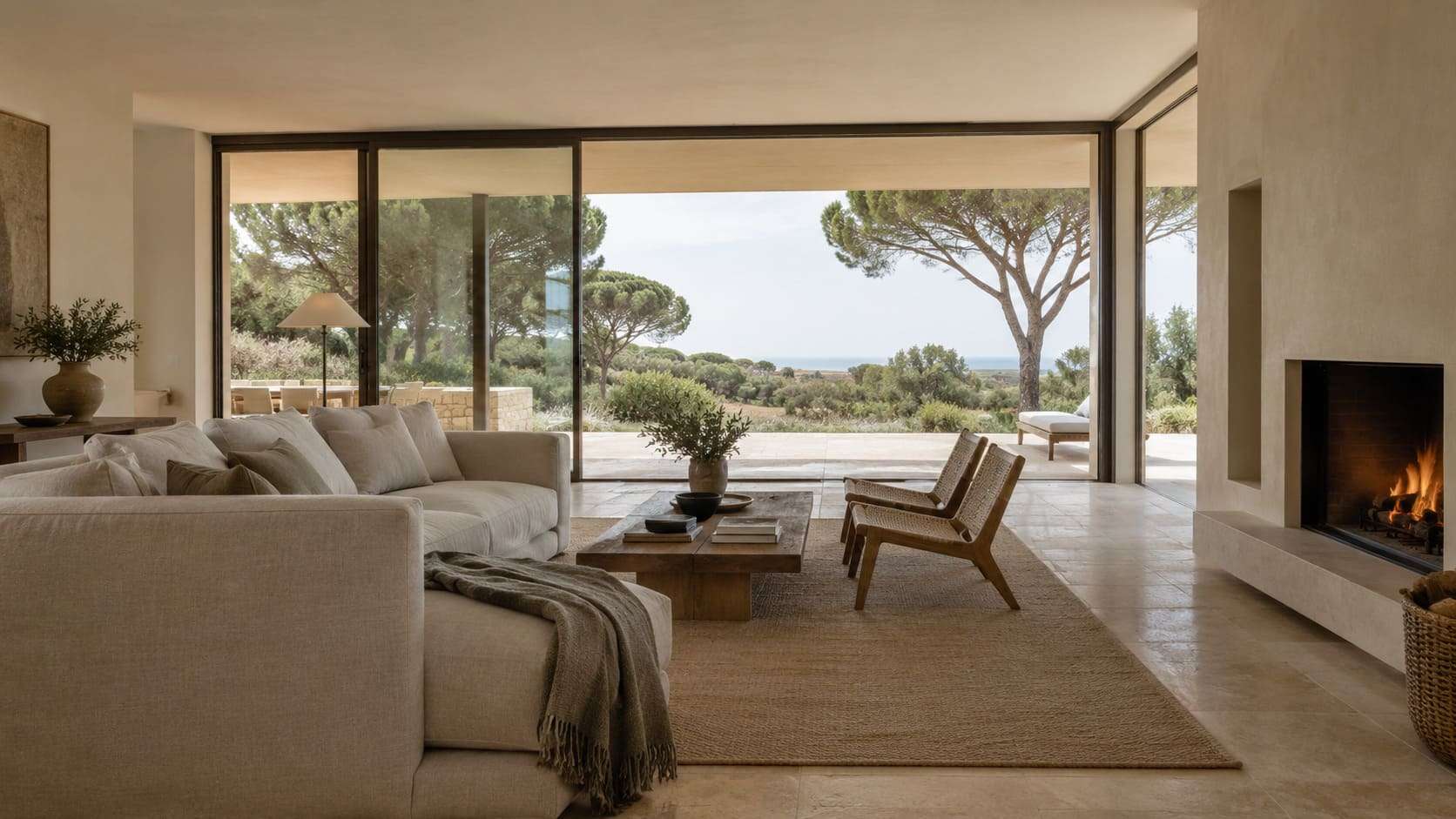
Not for residency — for the reasons real estate has always appealed to families with capital to preserve. A prime Portuguese property is a usable asset: somewhere to live or summer, a European base, and a store of value in a market defined by scarcity rather than speculation. In areas like Cascais, Comporta, or the Golden Triangle, buildable land is limited and demand is anchored by genuine lifestyle buyers, which is what makes values hold rather than swing.
The right property here isn’t defined by a price threshold — it’s defined by what the family wants it to do. A €600,000 apartment used as a European foothold and a €6 million estate held across generations are both legitimate, and they call for different thinking on structure, succession, and holding period. What they share is that the decision should start from the family’s goals, not from a headline number.
One cost to model up front: from September 1, 2026, non-resident buyers of residential property face a flat 7.5% IMT (transfer tax). That should be built into the numbers before an offer, not discovered after.
How does succession and structure work?
This is where families with significant assets should slow down, because Portugal’s rules differ from common-law jurisdictions in ways that matter.
Portugal has forced heirship — for legal matters please contact us at info@luznurcapital.com. For a family that wants control over how and when assets pass, holding property through a corporate structure can move the succession question to the entity’s shares and its governing law, giving far more flexibility. Portugal also imposes no general wealth tax on worldwide assets and no classic inheritance tax between close family, though property-specific taxes (like AIMI, above certain values) and stamp duty on some transfers apply — the details depend entirely on the family’s situation and should be confirmed with tax counsel.
For cross-border families, Madeira’s International Business Centre is the legitimate EU low-tax option for a holding layer, and the only jurisdiction in Portugal where a trust can actually be incorporated — with the important caveat that its benefits apply to qualifying international activity, not to Portuguese-source rental income. Whether any of this is worth the overhead depends on the size and complexity of the estate; for a single home used personally, it usually isn’t.
What changed, and what to ignore in older guides
Three corrections that clear up most of the confusion:
Property no longer buys residency — the Golden Visa real estate route closed in 2023. The NHR tax regime is closed to new applicants and has been replaced by a much narrower incentive (IFICI) aimed at specific professionals, so the generous pensioner-focused benefits older articles describe are gone. And the citizenship timeline has lengthened: under the May 2026 Nationality Law, naturalization now generally requires ten years of legal residence for most non-EU nationals (seven for EU nationals and citizens of Portuguese-speaking countries), up from five. Permanent residency after five years, though, remains available — so the five-year milestone still means something, just as a durable residency right rather than a passport.
How the pieces fit together: a family’s framework
- Start with the goal. A European base and a plan B point one way; a genuine relocation with children in school points another.
- Separate residency from real estate. Decide each on its own merits — one does not deliver the other.
- If residency is the aim, match the route to your life. Want optionality without moving? The Golden Visa fund route. Actually relocating? D7 or D8.
- If a home is the aim, choose it for lifestyle and preservation, and model the 7.5% IMT and holding costs.
- Plan succession early. Forced heirship and structuring decisions are set at acquisition, not at sale.
- Get the right counsel around you. Immigration, tax, and corporate rules here move and interlock; the planning is worth more than any single transaction.
FAQ
Can I get a Portuguese Golden Visa by buying property? No. The real estate route closed in 2023. The Golden Visa is now available mainly through a €500,000 qualifying fund or a €250,000/€200,000 cultural donation, among other routes.
Do I have to live in Portugal to keep a Golden Visa? No — the Golden Visa requires only about seven days a year on average. The D7 and D8 visas, by contrast, are for people genuinely residing here.
How long until citizenship? Under the 2026 Nationality Law, generally ten years of legal residence for most non-EU nationals, or seven for EU and Portuguese-speaking-country nationals. Permanent residency remains available after five.
Does holding a Golden Visa make me a Portuguese taxpayer? Not by itself. Tax residency generally turns on spending 183+ days a year in Portugal, not on holding a residence permit — but individual circumstances vary and warrant tax advice.
Is buying real estate here still worthwhile for a family? For lifestyle, a European base, and long-term preservation in a scarce prime market, yes — provided it’s chosen for those reasons rather than as a residency shortcut.
This is a sensitive area where the right answer is genuinely specific to the family. Nothing here is legal, tax, or immigration advice; it’s a map of how the pieces relate, so the real planning can start from the right place.
The clearest planning starts by separating the questions — a European base, a home, residency, succession — and deciding each on its own terms before fitting them together. Luznur Capital advises international families across real estate, residency, and cross-border structuring, working alongside dedicated legal, tax, and immigration partners on discreet, complex mandates. To talk through how the pieces fit your situation, reach out at info@luznurcapital.com.
 (+351) 932 224 792
  info@luznurcapital.com